Week 1
Find your balanced setup
After practice: record successes, your most common error and one next-session goal.
OPEN COURT LEARN
Build your tennis and pickleball skills with practical guides, courses and lessons.
From beginner fundamentals to more advanced techniques.
Explore Tennis learning resourcesLearn the rules, skills and tactics of Pickleball.
Explore Pickleball learning resourcesSTEP BY STEP
Explore posture, grips, strokes and match decisions. Every unit includes illustrated instructions, common mistakes and a practical drill. Focus on one skill for 8–15 minutes.
16 learning units
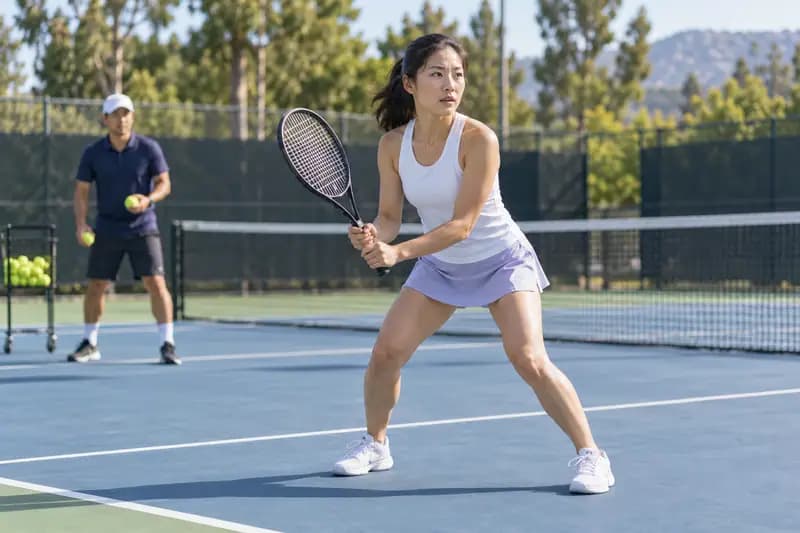
TENNIS · 8 min
Build a balanced start so you can react in either direction instead of waiting for the ball to reach you.
Explore the technique →
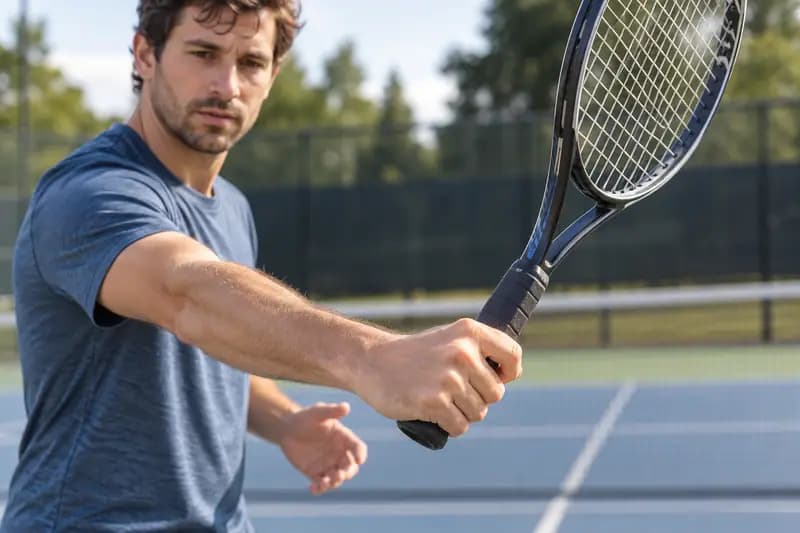
TENNIS · 10 min
Learn how your grip changes the racket face, then test it with slow, controlled contacts.
Explore the technique →
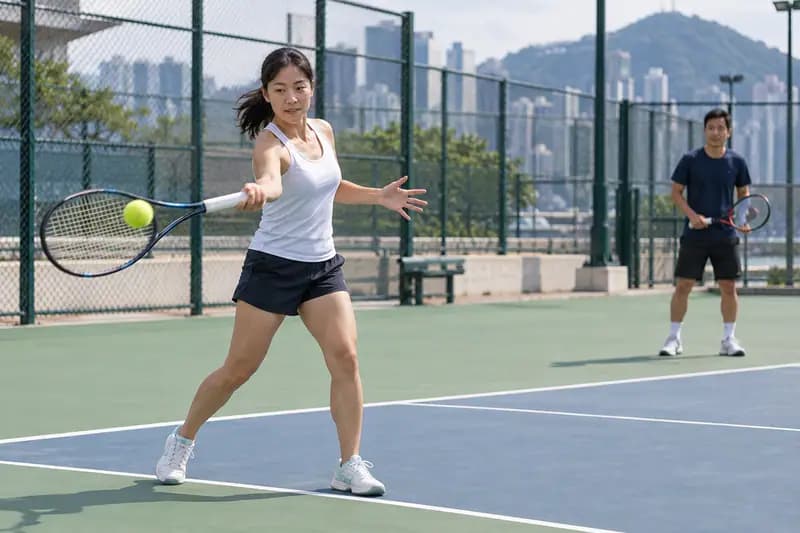
TENNIS · 12 min
Coordinate your turn and swing around a comfortable contact in front. Build consistency before speed.
Explore the technique →
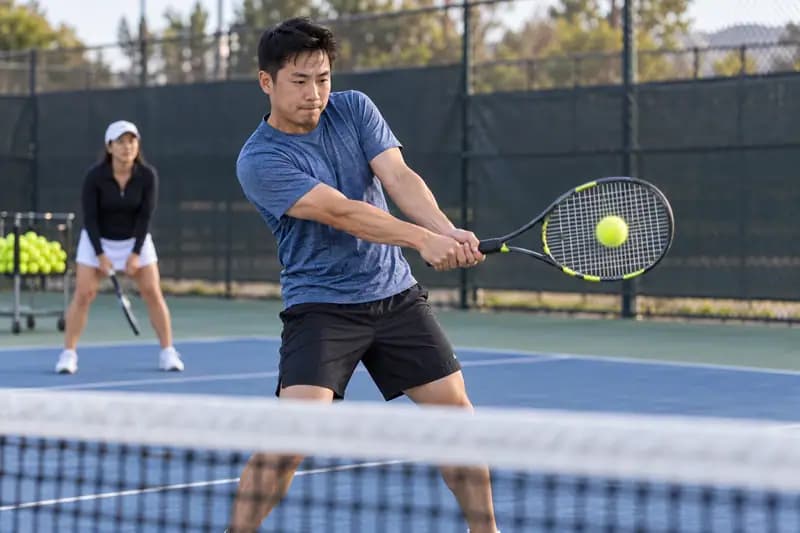
TENNIS · 12 min
Use both hands with an early body turn and good spacing rather than pulling with your dominant arm alone.
Explore the technique →
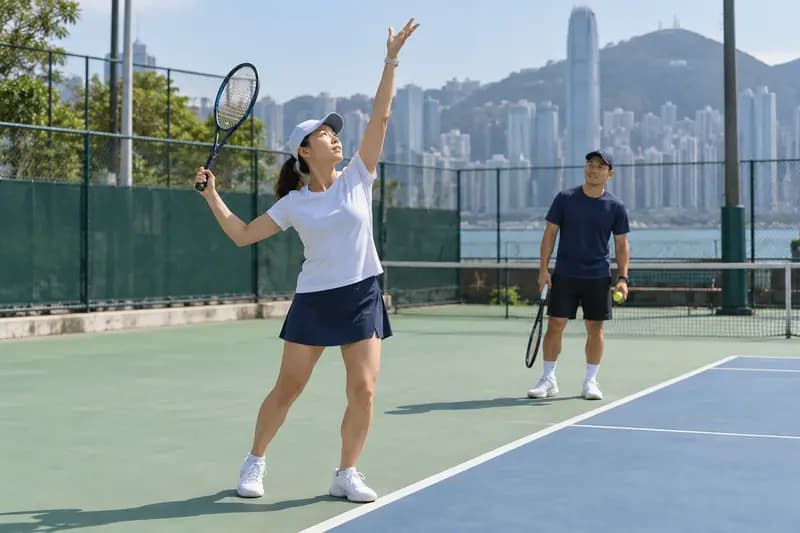
TENNIS · 15 min
Practise the toss and contact separately, then combine them into a controlled serve to the diagonal box.
Explore the technique →
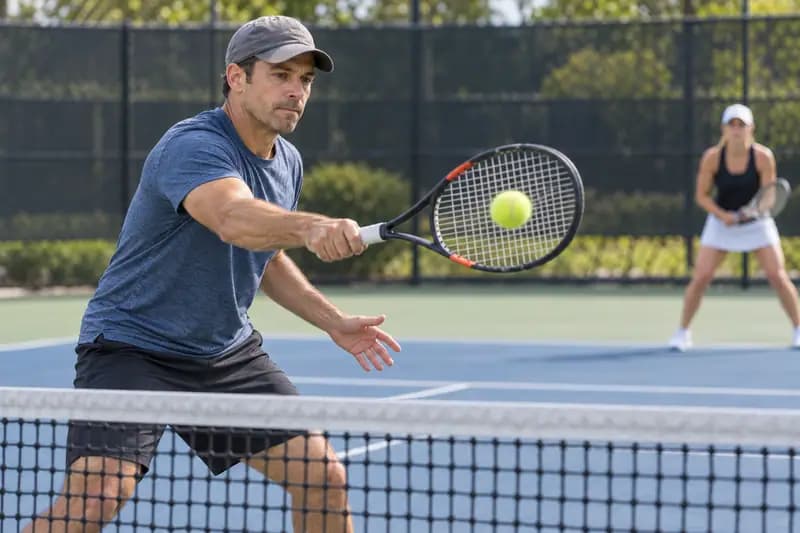
TENNIS · 10 min
Meet the ball before its bounce with a compact action and active footwork.
Explore the technique →
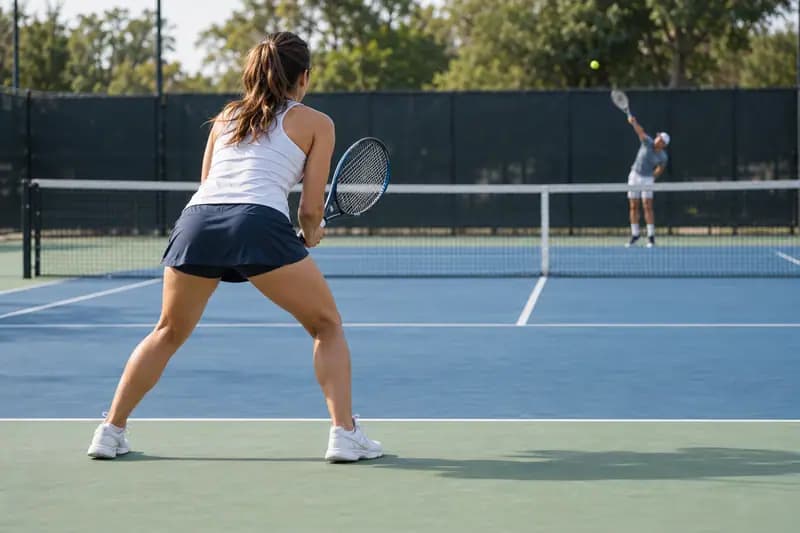
TENNIS · 12 min
Start by returning safely. Use timely footwork and compact preparation rather than an ambitious winner.
Explore the technique →
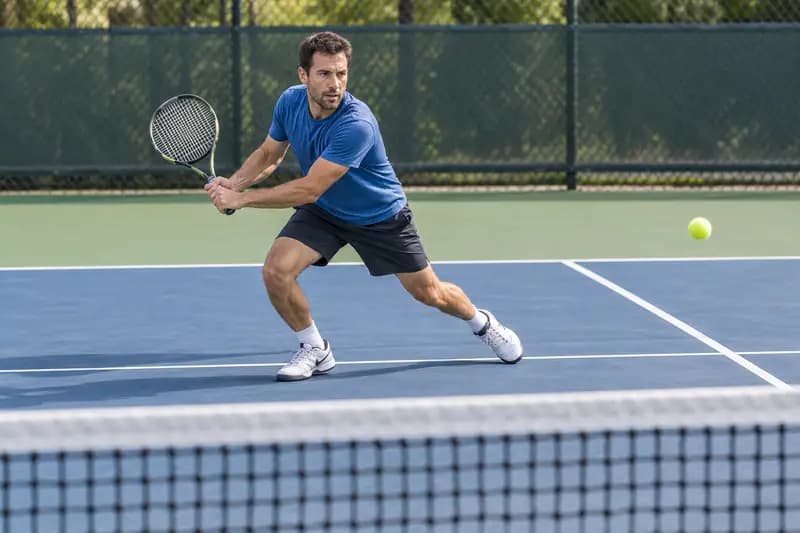
TENNIS · 10 min
Use different steps for reaching the ball, adjusting contact spacing and recovering.
Explore the technique →
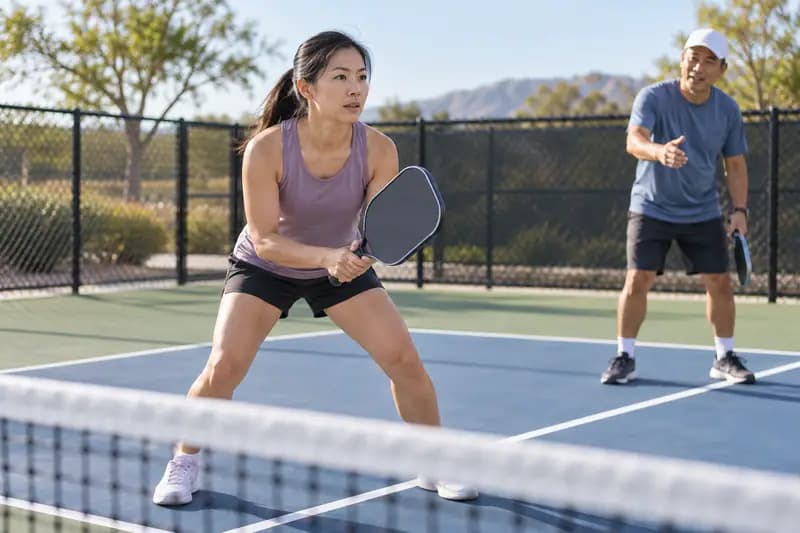
PICKLEBALL · 10 min
Stand shoulder-width apart with soft knees and weight balanced between your feet.
Explore the technique →
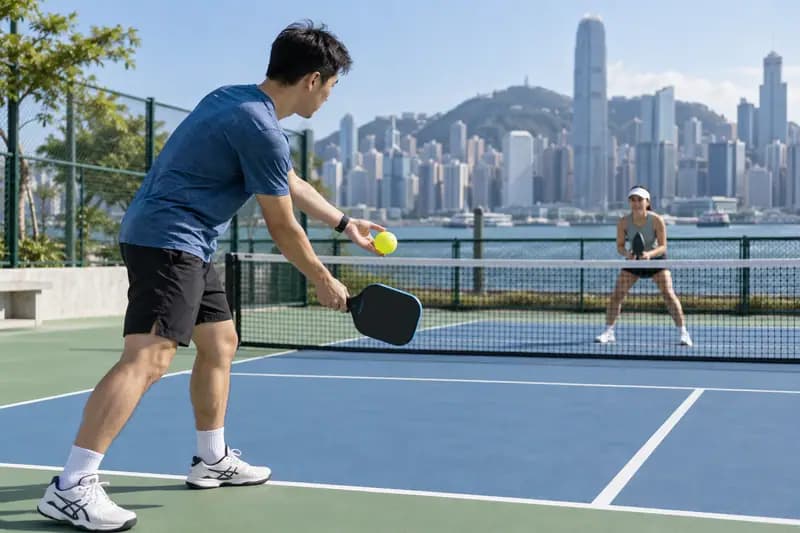
PICKLEBALL · 10 min
Start behind the baseline and serve diagonally beyond the non-volley zone.
Explore the technique →
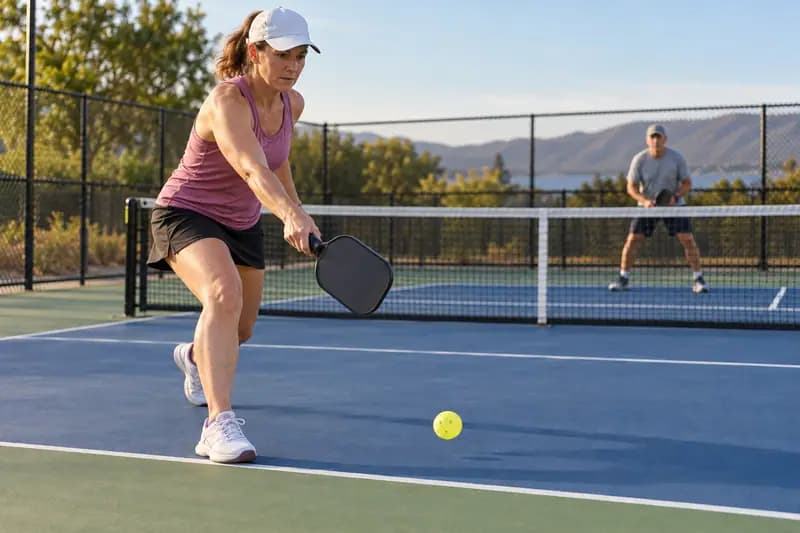
PICKLEBALL · 10 min
Leave space near the baseline and let the serve bounce before returning.
Explore the technique →
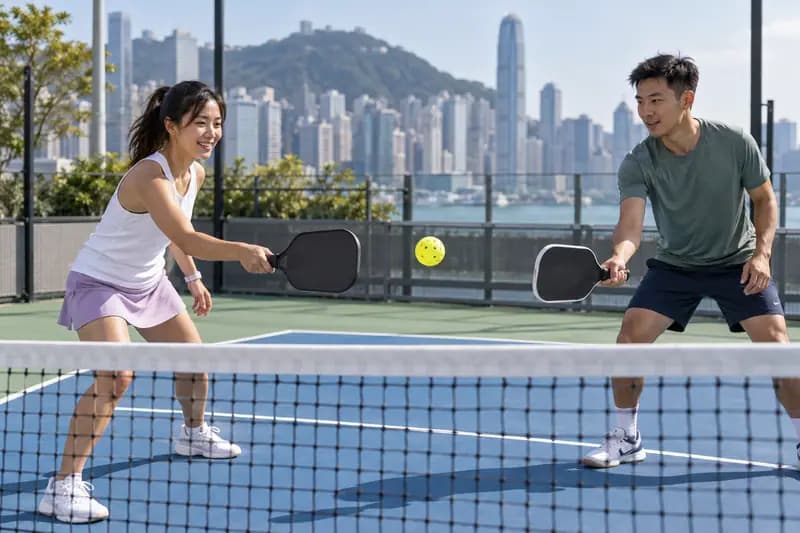
PICKLEBALL · 10 min
Let the ball bounce and move into comfortable spacing rather than reaching.
Explore the technique →
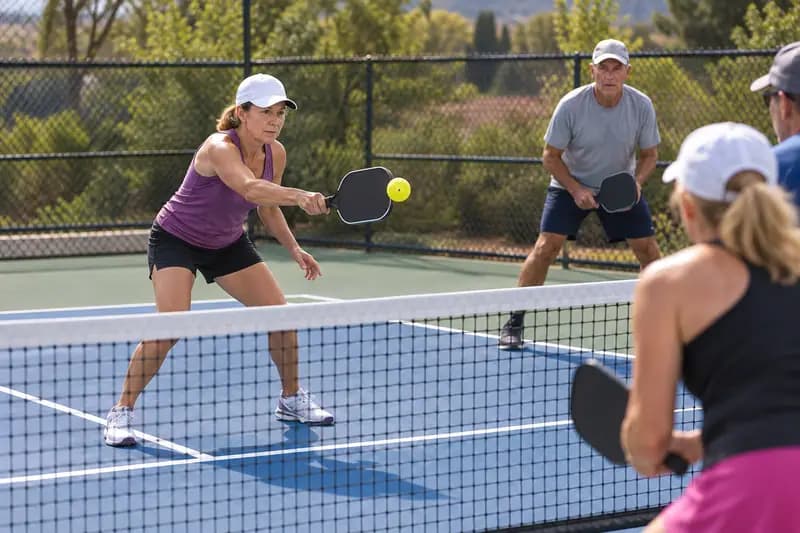
PICKLEBALL · 10 min
Volley from outside the non-volley zone, including its boundary line, and read the ball’s height.
Explore the technique →
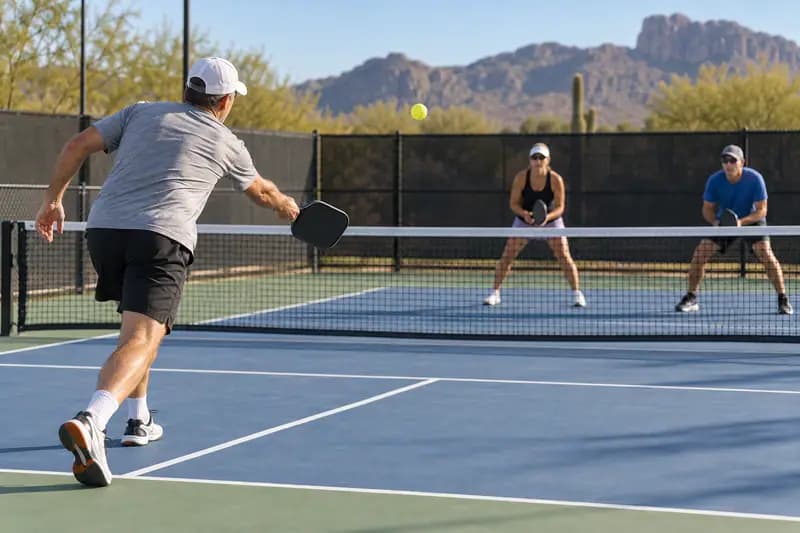
PICKLEBALL · 10 min
After serve and return, the serving team may choose a third-shot drop; first let the return bounce.
Explore the technique →
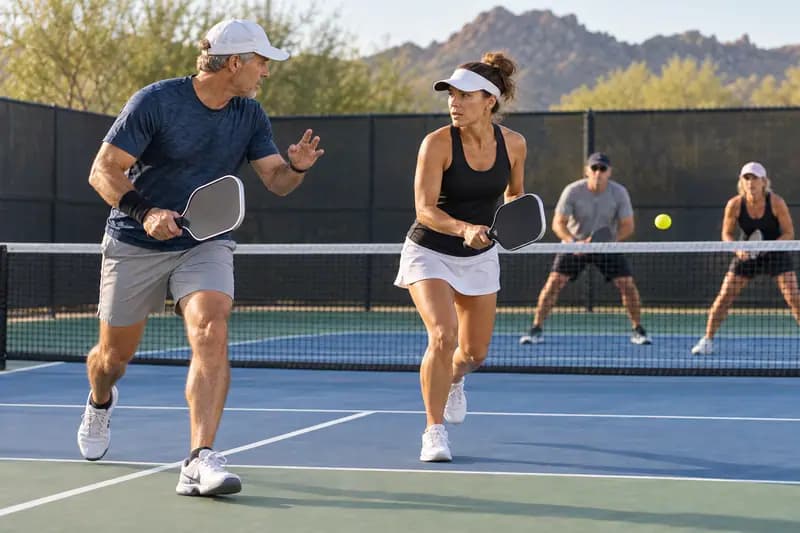
PICKLEBALL · 10 min
The serving team stays back for the return bounce; the receiving team can advance as the rally permits.
Explore the technique →
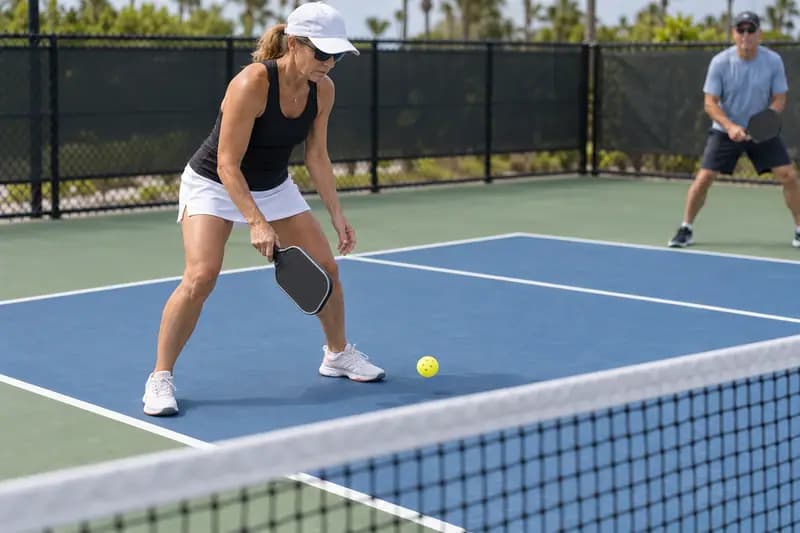
PICKLEBALL · 10 min
The non-volley zone extends seven feet from each side of the net; volley restrictions include the boundary line.
Explore the technique →
YOUR PRACTICE PLAN
Try two 30-minute sessions per week: 5 minutes warming up, 10 on a skill, 10 in cooperative rallies and 5 reviewing. Repeat a week whenever you need more practice.
Week 1
After practice: record successes, your most common error and one next-session goal.
Week 2
After practice: record successes, your most common error and one next-session goal.
Week 3
After practice: record successes, your most common error and one next-session goal.
Week 4
After practice: record successes, your most common error and one next-session goal.
YOUR FIRST STEPS
You do not need to learn every shot at once. Get comfortable with the equipment, court and basic rules, then build control with an easy-to-manage ball. Focus on one or two goals each session.
Step 1 | Get comfortable with the racket and contact
Relax your grip and practise near the net with a partner feed or slower ball. Aim for clean contact, not power.
Step 2 | Forehand, backhand and ready position
After each shot, recover to a balanced position in front of your body. Add one or two side steps before hitting.
Step 3 | Serve, return and scoring
Practise landing serves in the service box, then learn the scoring and service order for a game.
Step 4 | Cooperative rallies
Set a goal to keep the ball going over the net, then gradually add placement and movement.
Step 1 | Grip and controlled contact
Use a short, relaxed swing to practise forehands and backhands from close range or half court.
Step 2 | Serve, return and two bounces
Practise serving diagonally into the correct box. Let both the serve and return bounce before volleying.
Step 3 | Kitchen and dink
Identify the non-volley zone. Let the ball bounce before hitting into the Kitchen, then practise soft, low dinks.
Step 4 | Position, communication and scoring
In doubles, agree who takes the middle ball. Move safely and use the scoring format chosen by your local session.
The first session is about confidence and safe movement. Follow your coach’s guidance when available; adjust these timings to your fitness and court booking.
8 min
Dynamic warm-up: easy walking, shoulder and wrist mobility, side steps and small movements.
10 min
Equipment and court orientation: learn the lines, serving area and safe spacing; shadow swing first.
15 min
Basic contact: rally cooperatively from close range, focusing on either forehand or backhand.
10 min
Learn one rule: service boxes and scoring for tennis; two bounces and the Kitchen for pickleball.
12 min
Cooperative rallies: use an easy-to-control ball and aim for a few consecutive shots, not winners.
5 min
Walk and cool down, then record one reliable skill and one goal for next time.
Rules and official beginner resources: ITF Play & Stay · USA Pickleball beginner rules
Pick a skill and practice goal, then choose a suitable court or coach. Compare booking units and equipment requirements before reserving your first session.
Results update as you type.
Ten short lessons covering court basics, scoring, grips, footwork, groundstrokes, returns, volleys and rally skills.
Two short lessons on serving, the two-bounce rule, the kitchen and scoring.